Hermit Crabs: Unique Behaviors, Habitats, and Adaptations
Hermit crabs are fascinating creatures with unique behaviors, habitats, and adaptations that make them stand out among other crustaceans. These small but resilient animals have intrigued biologists and enthusiasts alike for centuries. This article delves into the world of hermit crabs, exploring their shell-changing process, social interactions, dietary habits, and their role in their ecosystems. Additionally, it highlights their nocturnal tendencies, communication methods, and the challenges they face in both natural and captive environments.
Habitats and Adaptations
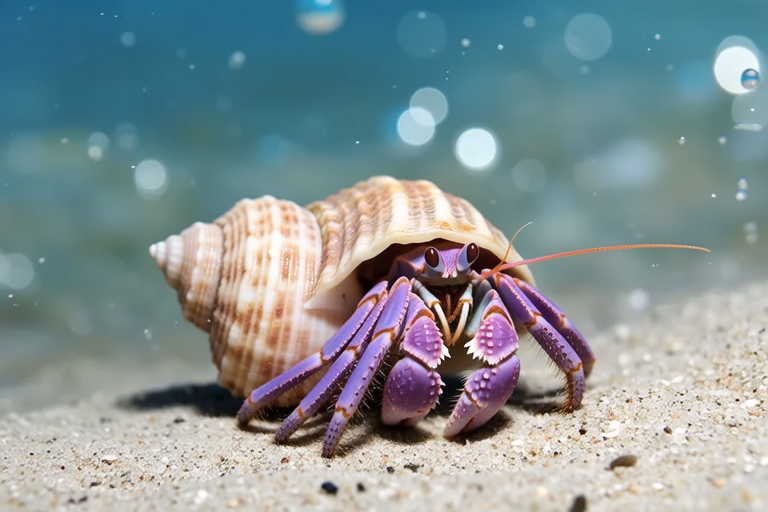
Hermit crabs are found in various marine and terrestrial environments, from tropical coral reefs to sandy beaches. They inhabit empty gastropod shells, which protect their soft abdomens. Over time, these crabs have developed several remarkable adaptations to survive in their diverse habitats. One of the most notable adaptations is their ability to change shells when necessary. As hermit crabs grow, they outgrow their current shell and must find a new one that provides adequate protection. This process involves carefully selecting a suitable shell, often engaging in intense competition with other hermit crabs for the best available options.
In addition to changing shells, hermit crabs have evolved other survival strategies. For instance, some species have developed longer antennae to better navigate their surroundings, while others have developed specialized claws for grasping and manipulating objects. These adaptations enable hermit crabs to thrive in their respective environments and interact effectively with their surroundings.
Shell-Changing Process
The shell-changing process is one of the most intriguing aspects of hermit crab biology. When a hermit crab outgrows its current shell, it seeks out a larger one. This can be a challenging task, as suitable shells are not always readily available. In some cases, hermit crabs may engage in shell fights, where they compete for possession of a desirable shell. During these encounters, crabs may use their claws to pry open or break apart rival shells, or they may simply attempt to force their way into an occupied shell.
Once a hermit crab has secured a new shell, it carefully inspects it before making the transition. The crab will often test the shell by crawling in and out several times to ensure a proper fit. If satisfied, the hermit crab will then move into its new home, leaving behind its old shell. This process can take anywhere from a few minutes to several hours, depending on the size of the shell and the urgency of the situation.
Social Interactions
Despite their solitary appearance, hermit crabs exhibit complex social behaviors. While they are not typically considered social animals like ants or bees, they do interact with one another in various ways. For example, hermit crabs often gather in large groups near the water’s edge, where they can access food and potential mates. These gatherings provide opportunities for mating and reproduction, as well as for finding new shells.
Interestingly, hermit crabs also engage in cooperative behavior when it comes to shell-sharing. In some instances, smaller hermit crabs may hitch a ride on the back of larger crabs, using them as temporary transportation until they can find a suitable shell of their own. This behavior demonstrates the intricate social dynamics at play within hermit crab communities.
Dietary Habits
Hermit crabs are opportunistic feeders, consuming a wide variety of organic matter, including plant material, dead animals, and even human-made debris. Their diet consists mainly of algae, detritus, and small invertebrates, but they will eat almost anything that is edible. This flexibility in their diet allows hermit crabs to adapt to different environmental conditions and ensures their survival in diverse ecosystems.
In captivity, hermit crabs can be fed a range of foods, including commercial hermit crab food, fresh fruits, vegetables, and occasional protein sources like fish flakes or boiled eggs. It is important to note that hermit crabs should not be fed processed human foods, as these can be harmful to their health. Providing a varied and nutritious diet is essential for maintaining the health and well-being of hermit crabs in both natural and captive environments.
Nocturnal Tendencies
Many species of hermit crabs are nocturnal, meaning they are most active during the night. This behavior helps them avoid predators and harsh sunlight, which can be damaging to their sensitive bodies. Nocturnal activity also allows hermit crabs to take advantage of cooler temperatures and increased humidity, which are more favorable for their survival.
While some hermit crabs remain hidden during the day, others may venture out briefly to search for food or explore their surroundings. However, the majority of their activities, including feeding, mating, and shell-changing, occur under the cover of darkness. Understanding the nocturnal nature of hermit crabs is crucial for both enthusiasts and researchers who wish to study and care for these fascinating creatures.
Communication Methods
Hermit crabs communicate with one another through a combination of chemical signals, vibrations, and visual cues. For example, they release pheromones into the water to signal their presence and attract potential mates. These chemical signals can also be used to warn other crabs of danger or to mark territory.
Vibrations play a significant role in hermit crab communication, particularly in species that live in close proximity to one another. By tapping or scraping their shells against surfaces, hermit crabs can send messages to nearby individuals, indicating their location or intentions. Visual cues, such as changes in body posture or movements, may also be used to convey information between crabs.
Role in Ecosystems
Hermit crabs play an essential role in their ecosystems by breaking down organic matter and recycling nutrients. They help maintain the balance of their habitats by feeding on dead plants and animals, contributing to the overall health and productivity of the ecosystem. In addition, hermit crabs serve as prey for larger animals, such as fish and birds, which helps regulate their populations and prevent overpopulation.
Moreover, hermit crabs are vital components of the coral reef ecosystem, where they help maintain the structural integrity of reefs by removing debris and preventing the buildup of harmful materials. Their scavenging behavior also aids in the decomposition of organic matter, facilitating nutrient cycling and supporting the growth of new organisms.
Challenges in Natural and Captive Environments
Hermit crabs face numerous challenges in both natural and captive environments. In the wild, they must contend with environmental factors such as climate change, pollution, and habitat destruction. Rising sea levels, increased ocean acidity, and higher water temperatures can all impact hermit crab populations, making it difficult for them to survive and reproduce.
In captivity, hermit crabs require specific care to thrive. Proper humidity levels, temperature control, and a suitable substrate are all critical for maintaining the health of captive hermit crabs. Additionally, providing a variety of shells for the crabs to choose from is essential for their well-being. Without access to appropriate shells, hermit crabs may experience stress, leading to health problems and reduced lifespan.
Conclusion
Hermit crabs are truly remarkable creatures with unique behaviors, habitats, and adaptations that make them stand out among other crustaceans. From their shell-changing process to their complex social interactions, these small but resilient animals have much to offer both enthusiasts and researchers. By understanding the challenges they face in both natural and captive environments, we can work towards ensuring their survival and continued contribution to their ecosystems.
