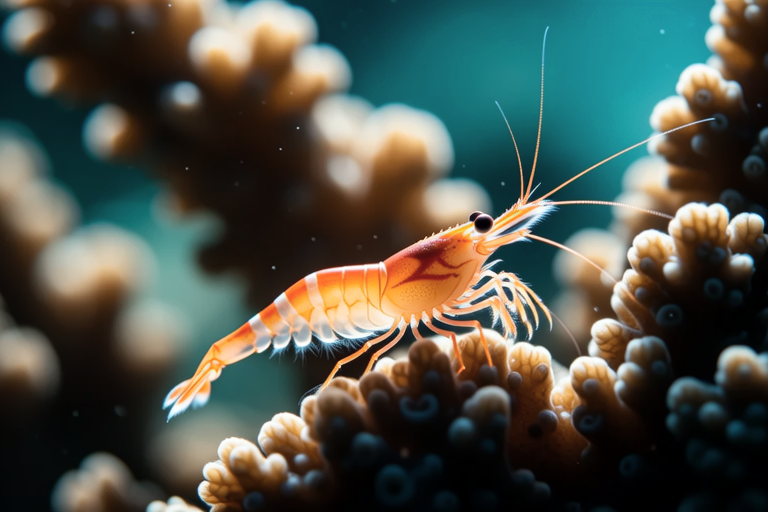
The Ultimate Guide to Feeding and Caring for Your Vibrant Coral Shrimp
Welcome to the world of vibrant coral shrimp! These fascinating creatures can bring life and color to any aquarium. With proper care, they will thrive and enhance the beauty of your aquatic environment. This comprehensive guide covers everything you need to know about feeding and caring for your coral shrimp, from setting up the perfect tank to ensuring their vibrant coloration.
Optimal Tank Conditions
Creating an ideal habitat is crucial for the well-being of your coral shrimp. Start by choosing a tank that is at least 10 gallons in size, preferably larger, to accommodate their active nature and ensure sufficient space for hiding spots and swimming areas. A densely planted tank with plenty of live rock and caves provides a stimulating environment and mimics their natural habitat.
Water quality is paramount. Maintain a temperature range of 72°F to 82°F (22°C to 28°C), with a pH level between 8.1 and 8.4, and keep nitrate levels below 20 ppm. Regular water changes—about 10% weekly—are essential to maintain these parameters. Use a high-quality filter that promotes water circulation without creating strong currents.
Water Parameters
Monitoring water parameters closely ensures the health and longevity of your coral shrimp. Aim for stable conditions, as sudden changes can stress them out. Test kits are invaluable tools for checking ammonia, nitrite, and nitrate levels regularly. Additionally, conduct monthly checks on alkalinity, calcium, and magnesium to support reef-building organisms.
Ensure adequate lighting; most coral shrimp prefer moderate to high light levels. However, avoid intense metal halide or LED setups that may cause undue stress. Opt for fluorescent bulbs or LED fixtures designed specifically for reef tanks.
Suitable Diet
Coral shrimp are omnivorous scavengers, feeding on algae, detritus, and small particles of meaty foods. In captivity, they require a balanced diet to maintain optimal health and coloration. Offer a variety of foods, including spirulina-based flakes, algae wafers, and frozen preparations like mysis shrimp and brine shrimp. Supplement their diet with blanched vegetables such as spinach or zucchini for added nutrients.
Feeding frequency depends on the number of shrimp and other inhabitants in the tank. Feed small amounts daily or every other day to prevent overfeeding and waste buildup. Monitor their consumption closely, removing uneaten food promptly to maintain water quality.
Feeding Habits
Coral shrimp are primarily nocturnal feeders, so it’s best to distribute food in the evening or just before lights out. This mimics their natural feeding behavior and helps reduce competition with diurnal species. Observe their feeding patterns to adjust portions accordingly. Some hobbyists report success with automatic feeders set to release small amounts throughout the day, but manual feeding remains the preferred method for precise control.
Encourage natural grazing by incorporating algae growth into your tank setup. Floating plants like Java moss or red planula can serve as both hiding spots and food sources. Avoid overcrowding the tank, which could lead to aggressive behavior among shrimp during feeding times.
Common Health Issues
Despite being hardy creatures, coral shrimp can face various health challenges if not cared for properly. Common issues include bacterial infections, fungal growths, and parasitic infestations. Signs of illness may include lethargy, loss of appetite, pale coloring, or visible lesions.
To prevent diseases, quarantine new additions to the tank for several weeks before introducing them to established populations. Quarantine tanks should have identical water conditions and be equipped with heaters, filters, and appropriate lighting. Treatments vary depending on the specific condition diagnosed by a veterinarian specializing in aquatic animals.
Maintain pristine water quality through regular maintenance routines such as partial water changes, cleaning equipment, and monitoring biological filtration systems. Early detection and prompt intervention are key to addressing potential problems effectively.
Tips for Maintaining Vibrant Coloration
Achieving and sustaining vivid hues requires attention to several factors beyond basic husbandry practices. Proper nutrition plays a significant role; ensure a varied diet rich in carotenoids, which contribute to red and orange pigmentation. Limit exposure to UV radiation from certain types of lighting, as excessive amounts can fade colors over time.
Create a stress-free environment by minimizing disturbances during feeding times and avoiding sudden changes in water chemistry. Provide ample hiding places and structured territories within the tank layout. Encourage positive interactions between compatible tankmates to promote overall well-being.
Selecting the Right Tank Mates
Choosing appropriate companions for your coral shrimp is vital for maintaining harmony within the community. Ideal tankmates include peaceful fish species like cardinal tetras, harlequin rasboras, and dwarf gouramis. Other compatible invertebrates might include cleaner shrimp, hermit crabs, and various snail species.
Avoid keeping coral shrimp alongside aggressive or predatory fish such as puffers, triggerfish, or large angelfish. Similarly, steer clear of overly competitive bottom-dwelling species that might outcompete them for resources. Research each potential addition thoroughly to understand its temperament and dietary preferences.
The Lifecycle of Coral Shrimp
Understanding the lifecycle of coral shrimp allows you to anticipate developmental stages and provide necessary care adjustments along the way. After mating, females carry eggs beneath their abdomens until hatching occurs after approximately three weeks. Newly hatched larvae float freely in open waters before settling down as juveniles.
Juvenile shrimp grow rapidly under favorable conditions, reaching maturity within six months to a year. Adult shrimp typically live two to four years, though some individuals may exceed this lifespan given optimal care. Monitor growth rates closely, adjusting tank size and enrichment accordingly as they mature.
Conclusion
By following this ultimate guide, you’ll be well-equipped to provide top-notch care for your vibrant coral shrimp. Remember, successful shrimp-keeping involves more than just providing food and shelter—it entails fostering an enriching ecosystem where these captivating creatures can flourish. Stay informed about advancements in aquaculture techniques and share experiences with fellow enthusiasts to continually improve upon best practices.
