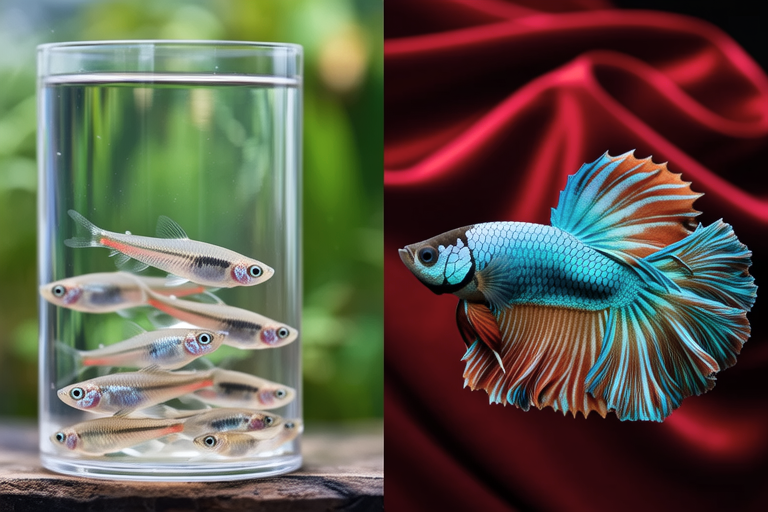
From Tiny Fry to Vibrant Adult: Raising Betta Fish Successfully
Betta fish, often referred to as Siamese fighting fish, have long been a favorite among aquarium enthusiasts due to their vibrant colors and graceful fins. These captivating creatures are not only visually appealing but also relatively easy to care for, making them a popular choice for both novice and experienced aquarists alike. In this guide, we will explore the joys and responsibilities of raising betta fish, from setting up their tank to ensuring their health and well-being at every stage of their life.
Setting Up the Perfect Tank for Your Betta Fish
The first step in successfully raising betta fish is creating an ideal living environment. A suitable tank size is crucial; while some recommend a minimum of 5 gallons, a larger tank, around 10 gallons or more, is preferable for better water quality and more space for your fish to swim. The tank should be equipped with a filtration system that helps maintain clean water by removing debris and excess nutrients. Additionally, include a heater to keep the water temperature between 76-82°F (24-28°C), which is optimal for betta fish health.
Water conditions are equally important. Betta fish prefer slightly acidic water with a pH range of 6.5 to 7.0. Regular water changes, about 20-30% weekly, are necessary to prevent the buildup of harmful substances such as ammonia and nitrite. Use a dechlorinator when changing water to neutralize any chlorine present, which can be toxic to your fish. Equip your tank with a thermometer and test kits for pH, ammonia, and nitrite levels to monitor water quality.
Necessary equipment includes a lid or cover for the tank to prevent the fish from jumping out, as bettas are known to be curious and active swimmers. Adding live or artificial plants can provide hiding spots and enhance the aesthetic appeal of your aquarium. Decorative elements like caves and driftwood can further enrich the environment, offering stimulation and comfort for your betta.
Feeding Practices for Different Life Stages
Proper nutrition is key to the growth and health of betta fish. Newborn fry, tiny and fragile, require specialized care. They start eating infusoria, microscopic organisms found in aged water, within a few days after hatching. Infusoria can be cultured at home or purchased from pet stores. As they grow, introduce finely ground flake food or commercial betta fry food, which provides essential nutrients for their development.
As betta fish mature into juveniles, their diet can be expanded to include small live foods such as baby brine shrimp and daphnia. These foods are rich in protein and help build strong muscles and vibrant coloration. Gradually introduce high-quality flake food and pellets designed for betta fish. Ensure that food is appropriately sized for their mouth to avoid choking hazards. Overfeeding should be avoided to prevent water pollution and digestive issues.
Adult betta fish benefit from a balanced diet that includes a variety of foods. Offer a mix of flakes, pellets, freeze-dried bloodworms, and occasional live or frozen foods. Feed adults twice daily, providing just enough food that they can consume within two minutes. This practice not only maintains their health but also keeps the tank cleaner by minimizing leftover food.
Common Health Issues and Preventive Measures
Despite their hardiness, betta fish are susceptible to certain health issues. One of the most common problems is fin rot, characterized by frayed, discolored, or missing fins. It is often caused by poor water quality or physical injury. To prevent fin rot, maintain pristine water conditions and avoid overcrowding the tank. If signs of fin rot appear, treat the affected fish with a medication specifically designed for this condition.
Fungal infections can occur if the water becomes too stagnant or if the fish’s skin is damaged. Symptoms include white patches on the body or fins. Improve water circulation and treat the tank with antifungal medications. Bacterial infections may manifest as red streaks on the body, lethargy, or cloudy eyes. Keeping the tank clean and avoiding stressors like sudden temperature changes or aggressive tank mates can help prevent bacterial infections. Medications targeting bacterial infections are available for treatment.
Maintaining a healthy environment is crucial for preventing these issues. Regularly check water parameters and perform water changes as needed. Quarantine new fish before introducing them to the main tank to avoid the spread of diseases. Observe your betta fish daily for any unusual behavior or physical changes that could indicate illness.
Maintaining a Healthy Environment
Regular tank maintenance is vital for the well-being of your betta fish. Water changes are essential to remove waste products and maintain a stable ecosystem. Aim for partial water changes of about 20-30% weekly. During these changes, carefully clean the substrate and decorations without disturbing the beneficial bacteria that live on them.
Inspect the filter regularly and replace its media as recommended by the manufacturer. Clean the tank glass to ensure clear visibility and optimal light penetration. Prune any overgrown plants to promote healthy growth and prevent excessive algae. Monitor the heater to ensure it is functioning correctly and maintaining the desired water temperature.
Creating a stable environment involves more than just cleaning. Minimize stressors by keeping the tank in a quiet area away from direct sunlight or drafts. Avoid sudden changes in water chemistry or temperature, which can shock the fish. Establishing a routine for feeding and maintenance helps your betta fish feel secure and comfortable.
The Rewarding Experience of Watching Betta Fish Grow and Thrive
Raising betta fish from tiny fry to vibrant adults is a deeply rewarding experience. Watching them grow and develop their unique personalities is a joy that cannot be overstated. Each fish has its own character, and observing their interactions with their environment and each other can be fascinating.
By providing a nurturing and stimulating habitat, you contribute to their overall happiness and longevity. With proper care, betta fish can live for several years, allowing you ample time to bond with them and appreciate their beauty. Their resilience and adaptability make them excellent companions for those who want to enjoy the pleasures of aquarium keeping without the complexities of more demanding species.
In conclusion, raising betta fish successfully requires attention to detail and commitment to their well-being. From setting up their tank to feeding them appropriately and addressing health concerns, each step plays a critical role in ensuring their health and happiness. By following these guidelines, you can enjoy the rewarding experience of watching your betta fish grow and thrive under your care.
