From Alaska with Love: The Complete Siberian Husky Guide
Origins of the Siberian Husky
The Siberian Husky, a breed renowned for its striking appearance and spirited nature, has a rich history rooted in the harsh landscapes of northeastern Asia. Originating from the Chukchi people of Siberia, these dogs were bred as sled dogs, capable of enduring extreme cold and pulling heavy loads over long distances. Their endurance and resilience made them invaluable companions for the Chukchi people, who relied on them for transportation and survival.
In 1908, a group of Siberian Huskies was brought to Nome, Alaska, to compete in the All-Alaskan Sweepstakes race. Their remarkable performance captured the hearts of spectators and set the stage for their widespread adoption as working dogs and beloved pets. Today, Siberian Huskies are celebrated not only for their athletic prowess but also for their friendly and gentle demeanor.
Physical Characteristics
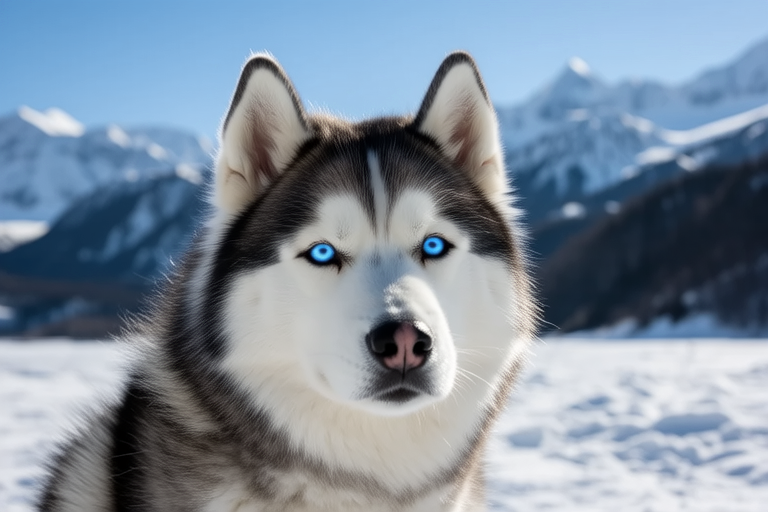
Siberian Huskies are medium-sized dogs known for their distinctive blue or multi-colored eyes, which can be captivating. They have a thick, double coat that provides insulation against the cold, making them well-suited for life in snowy environments. The outer coat is straight and dense, while the undercoat is soft and thick, offering additional warmth. These coats come in various colors, including black and white, gray and white, red and white, and pure white.
Standing at an average height of 20 to 23.5 inches (51 to 60 cm) at the shoulder, Siberian Huskies are lean yet muscular, with a sturdy build that allows them to perform efficiently as working dogs. Their ears are triangular and stand erect, enhancing their alertness and giving them a unique look. The tail is bushy and often carried over the back, resembling a fox’s tail.
Temperament
Siberian Huskies are known for their friendly and outgoing personalities. They are generally good with children and other animals, though they may exhibit some prey drive due to their heritage as working dogs. Their temperament is marked by a strong desire to run and explore, making them excellent companions for active individuals or families.
Despite their independent streak, Siberian Huskies are highly social animals that thrive on human interaction. They form strong bonds with their owners and are known for their loyalty. However, their independent nature can sometimes lead to stubbornness, particularly during training sessions. Real-life anecdotes from husky owners highlight the breed’s tendency to be mischievous, often finding creative ways to entertain themselves when left alone.
Health Issues
While Siberian Huskies are generally healthy dogs, they are prone to certain genetic conditions. Common health issues include hip dysplasia, a condition where the hip joint does not fit properly into the socket, leading to pain and reduced mobility. Progressive retinal atrophy (PRA), a degenerative eye disease that can lead to blindness, is another concern. Regular veterinary check-ups and genetic testing can help identify and manage these conditions early.
Additionally, Siberian Huskies are susceptible to hypothyroidism, a condition where the thyroid gland does not produce enough hormones, affecting metabolism. Ensuring a balanced diet and regular monitoring by a veterinarian can help maintain their overall health.
Dietary Needs
Siberian Huskies require a high-quality diet that meets their nutritional needs. Their diet should be rich in protein and fat, as these nutrients are essential for maintaining their muscle mass and energy levels. High-quality dog foods formulated for active breeds are recommended, as they provide the necessary nutrients for optimal health.
Avoid feeding your Siberian Husky foods that can be harmful, such as chocolate, grapes, and raisins. Providing fresh water at all times is crucial, especially in hot weather or after vigorous activity. Real-life anecdotes from owners emphasize the importance of a consistent feeding schedule to prevent digestive issues and maintain a healthy weight.
Exercise Requirements
Siberian Huskies are energetic dogs that require regular exercise to stay healthy and happy. Daily walks, runs, or play sessions are essential for their physical and mental well-being. A typical adult Siberian Husky requires at least one hour of moderate to intense exercise daily. This can include activities like running, hiking, or playing fetch.
Real-life anecdotes from owners highlight the importance of providing ample opportunities for your husky to expend energy. One owner shared that their Siberian Husky became much more relaxed and behaved better at home after starting a rigorous daily walking routine. Engaging your husky in activities that stimulate their minds, such as puzzle toys or obedience training, can also help keep them mentally sharp.
Grooming Tips
Siberian Huskies have a thick double coat that requires regular grooming to keep it clean and free of mats. Brushing your dog weekly, especially during shedding season, helps remove loose hair and prevents matting. Using a slicker brush or a comb with wide teeth is effective for this purpose.
Bathing your Siberian Husky should be done sparingly, as frequent bathing can strip their coat of natural oils. Instead, focus on spot cleaning and use dry shampoo when necessary. Trimming their nails regularly and checking their ears for signs of infection or debris is also important. Real-life anecdotes from owners suggest that establishing a grooming routine early can help your husky become accustomed to the process, making it easier to maintain their coat’s health.
Training Techniques
Training a Siberian Husky requires patience and consistency due to their independent nature. Positive reinforcement methods, such as treats and praise, are highly effective. Rewarding desired behaviors encourages your husky to repeat them, fostering a positive relationship between you and your pet.
Consistency is key when training your Siberian Husky. Establish clear rules and expectations from the outset and reinforce them consistently. Real-life anecdotes from owners highlight the importance of maintaining a calm and patient demeanor during training sessions. One owner shared that their husky responded well to clicker training, which provided immediate feedback and helped reinforce desired behaviors.
Common Myths
There are several misconceptions about Siberian Huskies that can influence potential owners’ decisions. One common myth is that Siberian Huskies are aggressive. In reality, they are generally friendly and gentle dogs that are not prone to aggression. Another misconception is that they are suitable for apartment living. While some huskies can adapt to apartment living, their high energy levels and need for exercise make them better suited for homes with yards.
Scientific insights reveal that Siberian Huskies are less likely to develop behavioral problems when provided with adequate exercise and mental stimulation. Understanding these facts can help dispel myths and prepare potential owners for the realities of owning a Siberian Husky.
Advice for Potential Owners
If you’re considering adopting a Siberian Husky, it’s important to understand the commitment involved. These dogs require a significant amount of time, attention, and resources. Ensure that you have the space, time, and energy to meet their needs before bringing one into your home.
Research reputable breeders or shelters to find a healthy and well-socialized Siberian Husky. Spend time bonding with your new pet to establish trust and strengthen your relationship. Real-life anecdotes from owners emphasize the importance of providing love, attention, and a structured environment for your husky to thrive.
In conclusion, Siberian Huskies are a fascinating and rewarding breed with a rich history and unique qualities. By understanding their origins, physical characteristics, temperament, health issues, dietary needs, exercise requirements, grooming tips, training techniques, common myths, and advice for potential owners, you can ensure a fulfilling and joyful experience with your Siberian Husky. From Alaska with love, these dogs bring joy and companionship to countless families around the world.
