Dutch Dwarf Rabbits: A Comprehensive Guide
When considering a pet rabbit, it’s important to choose a breed that fits your lifestyle and living situation. Dutch Dwarf rabbits are a popular choice among many pet owners due to their unique combination of size, temperament, and care requirements. In this article, we will explore the characteristics of Dutch Dwarf rabbits and compare them to other popular rabbit breeds to help you determine if they are the right fit for you.
Size and Appearance
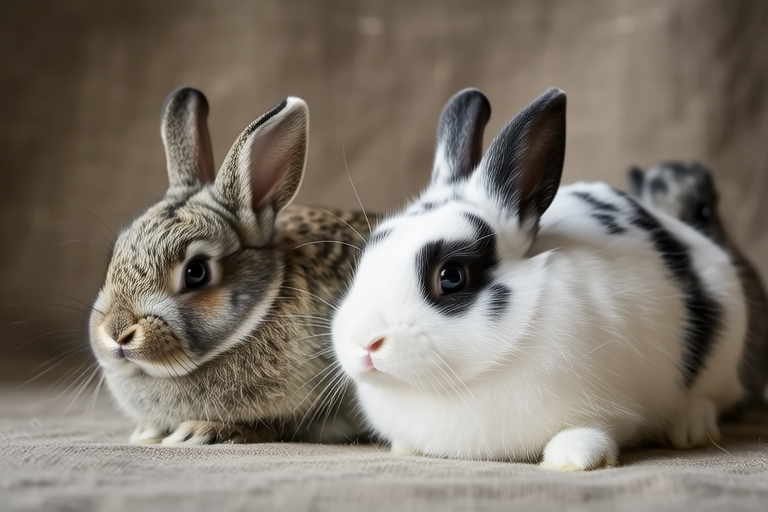
Dutch Dwarf rabbits are one of the smallest domestic rabbit breeds, typically weighing between 1.8 to 2.7 kg (4 to 6 pounds). They have a compact, rounded body, short ears, and a distinctive white blaze on their face, which makes them easily recognizable. Their fur is dense and soft, coming in a variety of colors, including black, chocolate, blue, and white. This small size makes them perfect for smaller living spaces, such as apartments or homes with limited space.
Temperament
Dutch Dwarfs are known for their friendly and docile nature. They are generally calm and gentle, making them excellent companions for families with children. However, like all rabbits, they require proper handling and socialization from a young age to ensure they remain tame and comfortable around people. Dutch Dwarfs are also curious and playful, enjoying time outside their cage for supervised play and exploration.
Dietary Needs
Like all rabbits, Dutch Dwarfs require a diet rich in fiber. Their main food source should be high-quality hay, which aids in digestion and keeps their teeth healthy. Fresh vegetables and fruits can be offered in moderation as treats, but it’s essential to introduce new foods gradually to avoid digestive issues. Water should always be available, and it’s recommended to use a water bottle rather than a bowl to keep the water clean and fresh.
Exercise Requirements
Rabbits need regular exercise to stay healthy and happy. While Dutch Dwarfs are relatively inactive compared to larger breeds, they still require daily opportunities for movement. Providing a spacious indoor area for play or a secure outdoor enclosure allows them to stretch their legs and explore. It’s important to supervise their playtime to ensure their safety and prevent them from chewing on inappropriate items.
Grooming
Dutch Dwarfs have a dense coat that requires regular grooming to prevent matting and keep their skin healthy. Weekly brushing is usually sufficient, but during shedding season, more frequent brushing may be necessary. Bathing is generally not recommended unless absolutely necessary, as it can stress the rabbit and cause skin problems. Instead, focus on keeping their living environment clean and providing a dust-free litter box.
Comparisons with Other Breeds
Netherland Dwarfs
Netherland Dwarfs are often confused with Dutch Dwarfs due to their similar names and small size. However, there are some key differences. Netherland Dwarfs are slightly smaller, weighing between 1 to 1.8 kg (2 to 4 pounds), and come in a wider range of colors. While both breeds have a friendly temperament, Netherland Dwarfs tend to be more energetic and require more attention and stimulation. Dutch Dwarfs, on the other hand, are generally calmer and better suited for less active lifestyles.
Holland Lops
Holland Lops are another small rabbit breed, known for their lop ears and docile nature. They typically weigh between 1.4 to 2.3 kg (3 to 5 pounds) and come in a variety of colors. While Holland Lops share similarities with Dutch Dwarfs in terms of size and temperament, they have distinct physical characteristics, such as their floppy ears. Both breeds are suitable for apartment living, but Dutch Dwarfs may be easier to handle and socialize due to their more upright posture.
Britannia Petites
Britannia Petites are a newer breed, developed by crossing Dutch Dwarfs with Britannia Buffs. They inherit the small size and friendly nature of Dutch Dwarfs while also possessing the robust build and longer ears of Britannia Buffs. Britannia Petites typically weigh between 1.4 to 2 kg (3 to 4.4 pounds) and come in a variety of colors. Like Dutch Dwarfs, they require minimal grooming and are well-suited for smaller living spaces. However, their slightly larger size may make them more suitable for households with children or individuals who prefer a more substantial rabbit.
Actionable Advice for Potential Owners
If you’re considering adopting a Dutch Dwarf rabbit, here are some practical tips to ensure their health and happiness:
- Provide a spacious and safe living environment with plenty of room for movement and exploration.
- Feed a balanced diet rich in hay, fresh vegetables, and occasional treats.
- Offer daily opportunities for exercise and play to keep your rabbit mentally and physically stimulated.
- Establish a routine for grooming and nail trimming to maintain their coat and prevent overgrown nails.
- Handle your rabbit gently and consistently to encourage a friendly and trusting relationship.
- Consult with a veterinarian experienced in rabbit care to address any specific health concerns or questions.
By following these guidelines, you can ensure that your Dutch Dwarf rabbit lives a long, healthy, and happy life.
Conclusion
Dutch Dwarf rabbits are a wonderful choice for those looking for a small, friendly, and easy-to-care-for companion animal. Their compact size, gentle demeanor, and minimal grooming needs make them ideal for apartment living or homes with limited space. When compared to other popular breeds like Netherland Dwarfs, Holland Lops, and Britannia Petites, Dutch Dwarfs stand out for their unique combination of size, temperament, and care requirements. By understanding the specific needs of Dutch Dwarfs and providing them with proper care, you can enjoy a rewarding and fulfilling relationship with these delightful creatures.
